When choosing outdoor furniture, materials matter.
You might love the look of natural rattan — but will it survive the Texas sun or New York winters?
That’s where PE rattan (polyethylene rattan) comes in.
For most uncovered patios, balconies, and backyard seating areas in the U.S., PE rattan is usually the better choice because it resists rain, UV exposure, and humidity far better than natural rattan.
Natural rattan is better suited for covered patios, sunrooms, and indoor spaces where moisture exposure is limited.
Table of Contents
Understanding the Materials
Natural Rattan
- Made from tropical vines
- Warm, organic, handwoven appearance
- Best for indoor use or covered patios
PE Rattan
- Synthetic resin designed for outdoor use
- Replicates the natural look perfectly
- Resistant to UV, moisture, and mildew
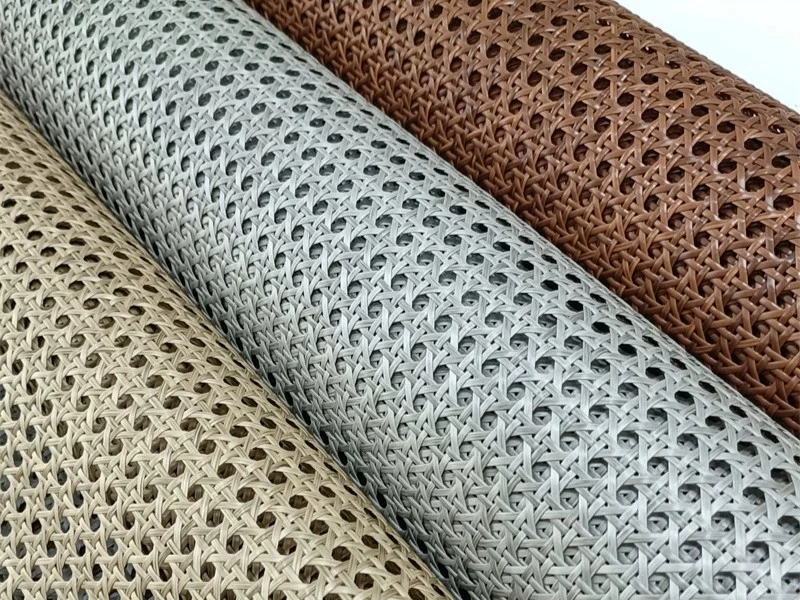
Higher-end outdoor furniture often uses HDPE wicker, which is thicker, more UV resistant, and less likely to crack over time compared to lower-density resin wicker commonly found in cheaper patio sets.
Durability and Weather Resistance
Outdoor furniture faces rain, humidity, and temperature swings.
Natural rattan fibers absorb water and can become brittle over time.
PE rattan, on the other hand, stands up to it all — from Florida’s heat to Seattle’s drizzle.
| Test | Natural Rattan | PE Rattan |
|---|---|---|
| UV Exposure | Fades quickly | Color-stable |
| Rain/Moisture | Swells and molds | Water-resistant |
| Longevity | 1–2 years | 5–10 years |
🪑 Verdict: For American backyards, PE rattan wins hands down.
Best Material by Climate
- Florida & Gulf Coast → PE rattan performs better in humid conditions and resists mildew more effectively.
- Arizona & Texas → UV-resistant PE wicker handles strong sunlight better than natural fibers.
- Coastal Areas → Powder-coated aluminum frames with PE wicker are typically more durable near salt air.
- Covered Sunrooms → Natural rattan can work well indoors or in protected outdoor spaces.
Design and Comfort
Modern PE rattan furniture is available in every style — minimalist, coastal, modern, farmhouse.
Its flexibility allows sleek shapes while remaining comfortable and supportive.
Unlike metal or wood, it doesn’t get too hot or cold.
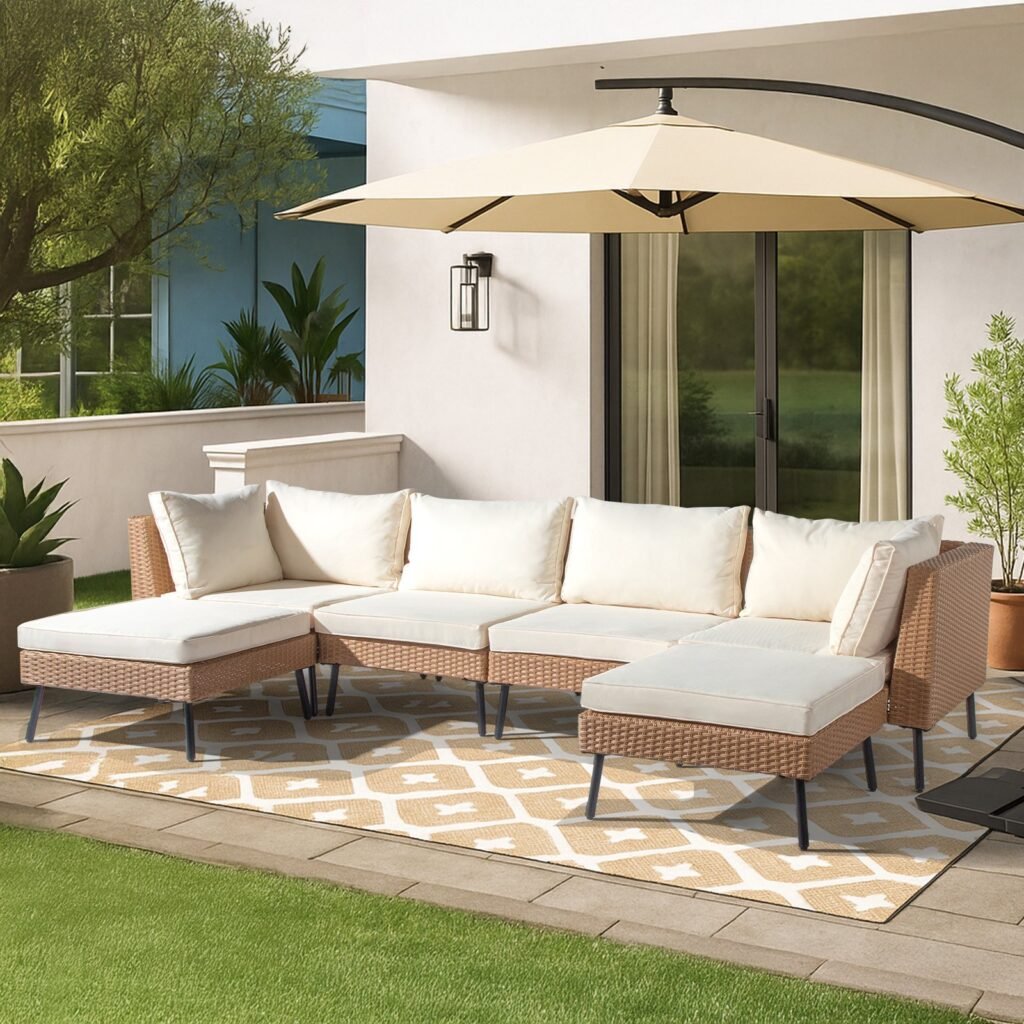
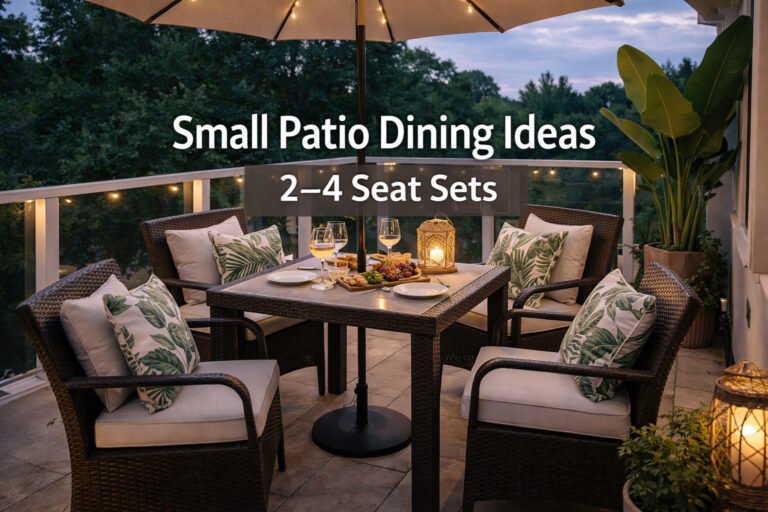
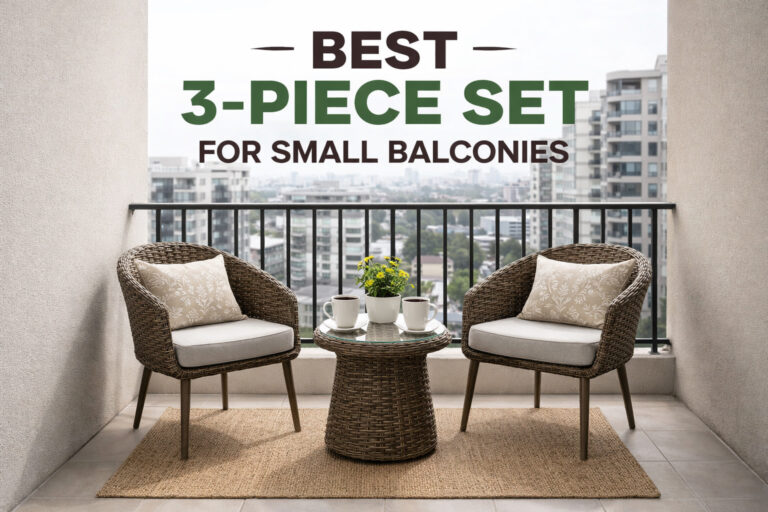
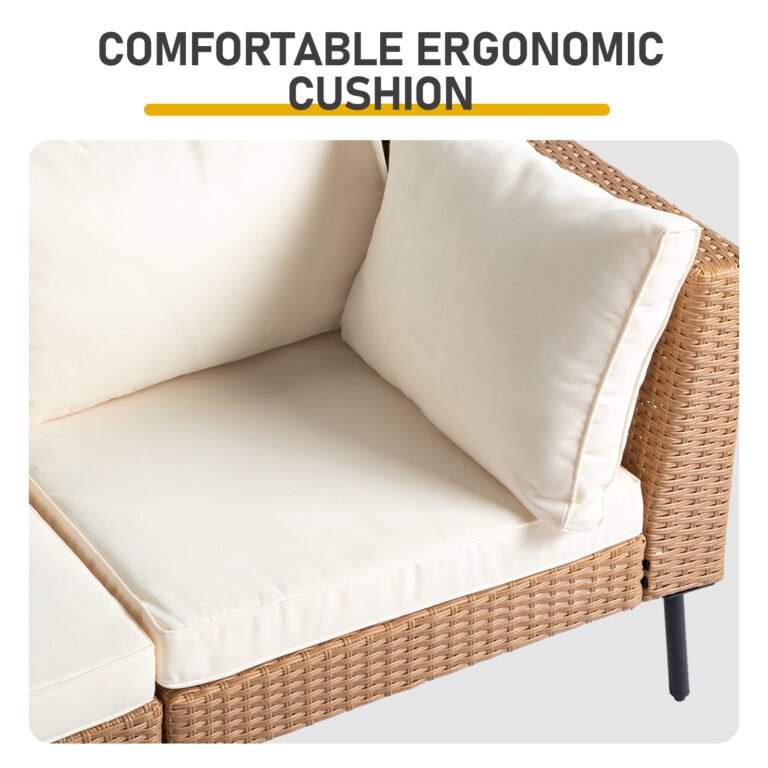
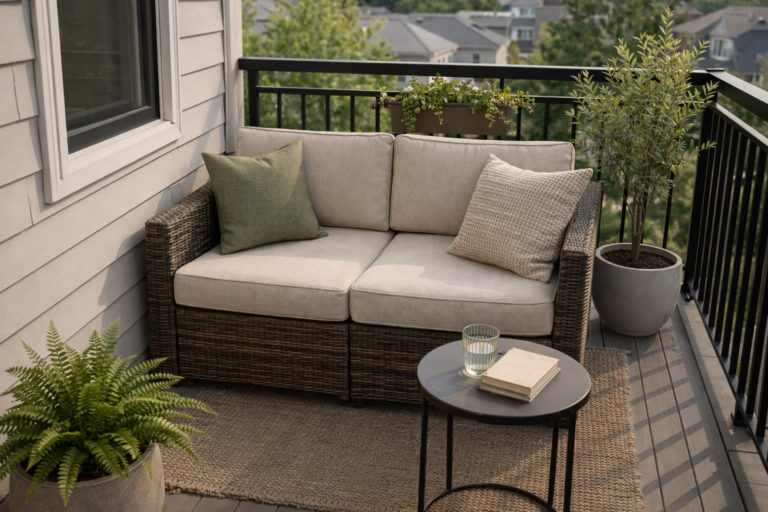
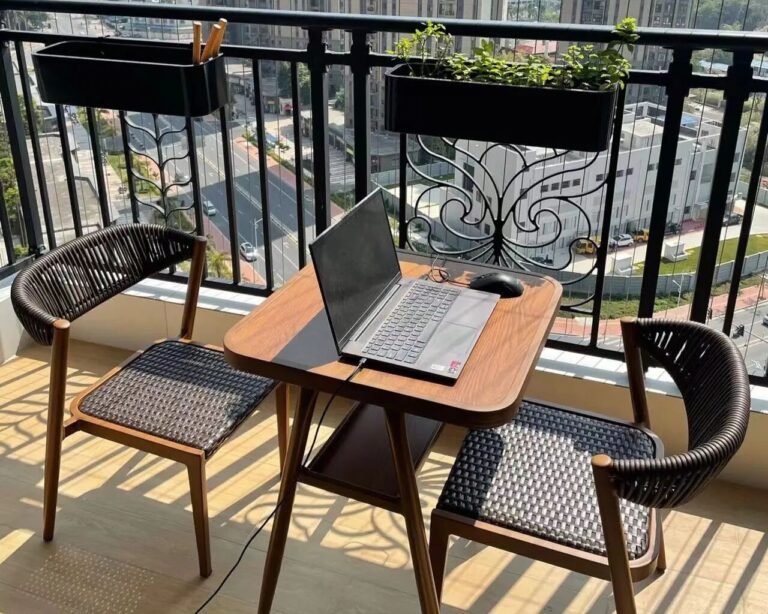
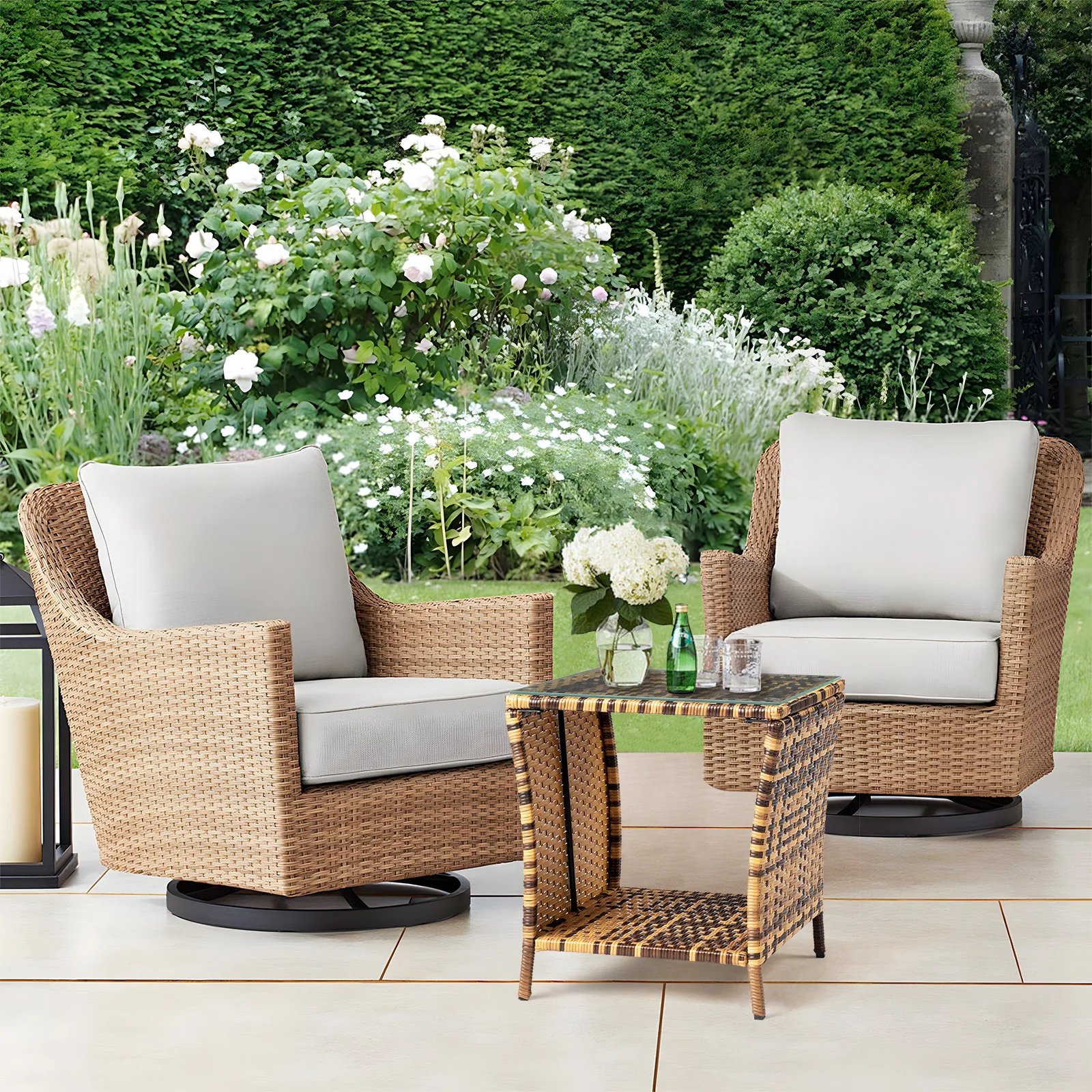
You’ll find PE rattan in 2 Seater Rattan Bistro Set, Modular Rattan Sofa, Rattan Cube Patio Set and Rattan Outdoor Dining Set — making it ideal for patios, decks, balconies, or poolside lounging.
Maintenance and Eco Benefits
PE rattan needs very little care.
Just rinse, wipe, and you’re done.
Plus, it’s 100% recyclable and long-lasting — a sustainable alternative to replacing natural furniture every season.
What We Recommend
For most outdoor patios and balconies, PE rattan is typically the more practical option because it requires less maintenance and handles weather exposure better.
Natural rattan remains a strong choice for covered spaces and indoor-outdoor styling where a warmer handcrafted appearance is preferred.
FAQs
Q1: How long does PE rattan last outdoors?
With normal use and occasional cleaning, it can last 5–10 years easily.
Q2: Can natural rattan be made weatherproof?
Only partially, but it still cracks and fades outdoors.
Q3: Is PE rattan environmentally safe?
Yes — it’s non-toxic, recyclable, and doesn’t require wood harvesting.
Q4: Does PE Rattan Get Hot in Sunlight?
Like most outdoor materials, PE rattan can warm up under direct sun, especially darker colors. It cools quickly in shade and is generally more comfortable than metal furniture.
Q5: Can Natural Rattan Mold Outdoors?
Yes. Natural rattan absorbs moisture and may develop mold or mildew in humid or rainy conditions. Best used on covered patios, sunrooms, or indoors.
Q6: What Is HDPE Wicker?
HDPE stands for high-density polyethylene. It’s a premium synthetic wicker with superior UV resistance, flexibility, and durability, making it ideal for outdoor furniture.
Q7: Is PE Rattan Truly Waterproof?
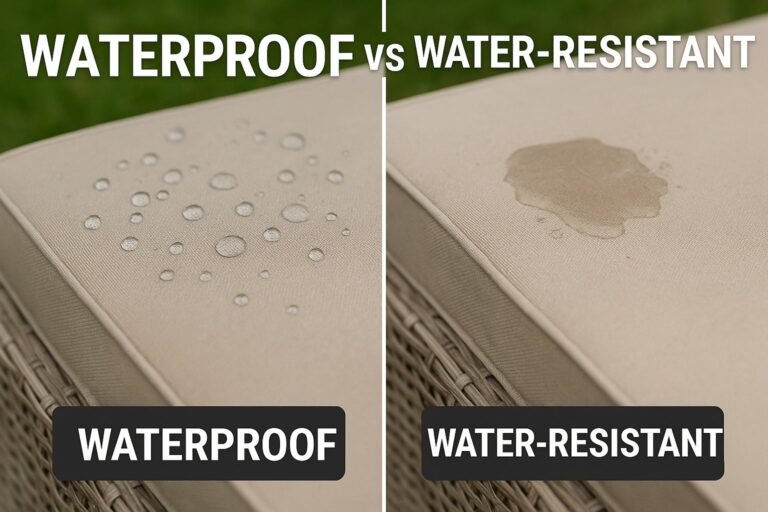
PE rattan is water-resistant, but overall weatherproofing depends on the frame, cushions, and construction. Powder-coated aluminum frames and quick-dry cushions perform best outdoors.
Q8: Which Lasts Longer Outdoors: PE or Natural Rattan?
PE rattan generally outlasts natural rattan in most outdoor settings, as it resists UV, rain, humidity, and temperature changes. Natural rattan requires covered placement and more maintenance.
🌿 Ready to upgrade your outdoor space?
Browse our PE Rattan Outdoor Furniture Sets — weather-resistant, sustainable, and built to last.👉 Need help choosing the right set?
Our How to Choose the Best Rattan Garden Furniture Set guide walks you through sizes, layouts, and materials.