
As temperatures drop and snow begins to fall, your outdoor furniture deserves a little care. Even though PE rattan is weather-resistant, proper winter storage can extend its lifespan for years. In this guide, we’ll walk you through how to clean, cover, and store your rattan patio sets safely — whether you live in the chilly Northeast or the dry Midwest.
Table of Contents
Why Winter Protection Matters
High-quality PE rattan is built for all-weather performance, but freezing temperatures and dry indoor heating can still cause damage. Ice and moisture stretch the weave, while excessive dryness makes it brittle. Proper winter care helps you:
- Prevent cracking or color fading
- Keep cushions mold-free
- Save cleaning time in spring
- Extend furniture lifespan by years
💡 Pro Tip: Even “all-weather” rattan lasts longer when stored or covered during snow season.
The Science Behind Winter Damage
PE rattan resists water and UV light, but in northern U.S. states, dry heated indoor air can shrink and stiffen the weave. In contrast, humid southern climates increase mildew risks. Both extremes can be managed with proper storage — breathable covers, balanced humidity, and seasonal cleaning.
Step-by-Step: How to Store Rattan Patio Sets in Winter
Step 1: Deep Clean Before Storing
Remove dust and debris with a soft brush or vacuum. Use mild soapy water to clean the surface, avoiding harsh chemicals. Let it dry completely — moisture trapped inside the weave is the main cause of mold in spring.
💡 Read our guides: How to Clean and Protect Outdoor Wicker Furniture (Step-by-Step)
Step 2: Protect Cushions and Fabrics
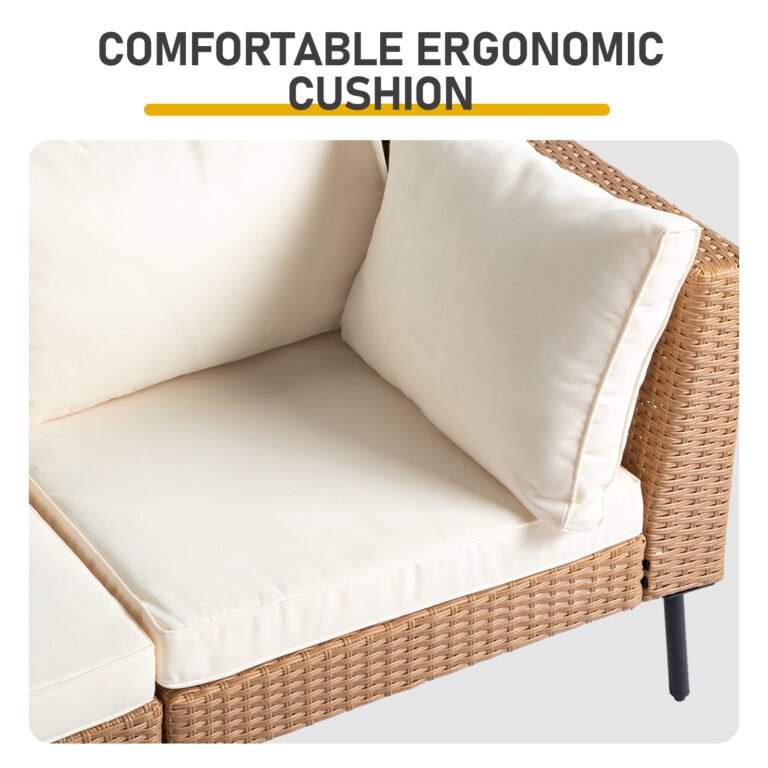
Wash and air-dry all cushions before storing indoors. Store them in breathable fabric bags, not sealed plastic. Damp air-tight storage can lead to odor and mildew even in cold weather.
Step 3: Apply Protective Oil or Wax (Optional)
Before covering your furniture, use a soft cloth to apply a thin layer of natural furniture oil or beeswax. This protects against drying and cracking in heated indoor environments.
Old craftsmen even used a diluted saline water wipe — a traditional trick to help rattan retain flexibility during long, dry winters.
Step 4: Use Waterproof Breathable Covers
If your furniture stays outdoors, cover it with UV-resistant and waterproof yet breathable fabric covers. Avoid fully airtight plastic covers — trapped moisture causes condensation and mildew.
Step 5: Elevate and Shelter
Place furniture on wood blocks or pallets to keep it off wet ground. If possible, move it to a garage, covered porch, or shed. Avoid storing next to heating vents, radiators, or fireplaces — dry heat can make the rattan brittle and warp its frame.
Step 6: Check Periodically
During long winters, open covers occasionally to check for moisture or frost. Wipe condensation and allow airflow to prevent mold buildup.
Regional Storage Tips (By U.S. Climate Zone)
- Northeast & Midwest: Move rattan sets indoors before the first frost. Avoid basements with poor airflow.
- Southern States: Use breathable covers to block UV exposure; freezing damage is rare, but mold control is key.
- Western Dry Regions: Keep furniture away from heating vents — indoor air can become overly dry and cause hairline cracks.
When to Bring Furniture Back Out
Wait until temperatures consistently stay above 50°F (10°C). Uncover the furniture, air out cushions, and rinse gently with water before using. A quick wipe with mild soap will refresh the set for another beautiful outdoor season.
🌿 Ready to refresh your outdoor setup?
Explore our Outdoor Furniture Sets Collection — crafted from weatherproof PE rattan with free & fast U.S. shipping.
Our How to Choose the Best Rattan Garden Furniture Set guide helps you compare sizes, layouts, and materials before you buy.
FAQs
Q1: Can PE rattan furniture stay outside all winter?
It can, but it’s better to cover or shelter it to prevent frost, snow, and moisture damage.
Q2: Do I need special covers for rattan furniture?
Yes. Use waterproof, UV-resistant, and breathable covers that prevent condensation while blocking rain and snow.
Q3: Can I keep rattan furniture near a heater or radiator?
No. Dry indoor heat can cause rattan to crack or warp. Store away from heating vents or fireplaces.