A Practical Guide to UV Protection, Heat Resistance, Color Retention & Long-Term Outdoor Use.
In This Guide
Introduction
Sun exposure is one of the most underestimated causes of outdoor furniture damage.
Even in dry or mild climates, constant UV radiation and high temperatures can gradually fade colors, weaken materials, and shorten the lifespan of outdoor furniture. In high-sun regions such as California, Arizona, Texas, Florida, and much of the Southeast, sun damage is often the number-one reason rattan furniture looks worn out earlier than expected.
This guide explains how sun and heat really affect rattan outdoor furniture, how to identify UV-resistant quality, and what practical steps homeowners can take to slow fading, prevent deformation, and extend long-term outdoor use.
🔗 Explore our curated rattan outdoor furniture sets designed for patios, gardens, and backyards. For expert tips on selecting the best rattan furniture for your space, check out our article on how to choose the best rattan furniture set.
What UV & Heat Really Do to PE Rattan Furniture
Sun damage is not just about color fading. In real outdoor environments, UV radiation and heat work together to accelerate material aging—especially on patios exposed to strong midday sun.
- UV radiation breaks down surface protection
Over time, ultraviolet rays weaken pigments and protective layers in synthetic rattan and fabrics, leading to fading, dullness, and faster surface wear. - Heat accelerates material aging
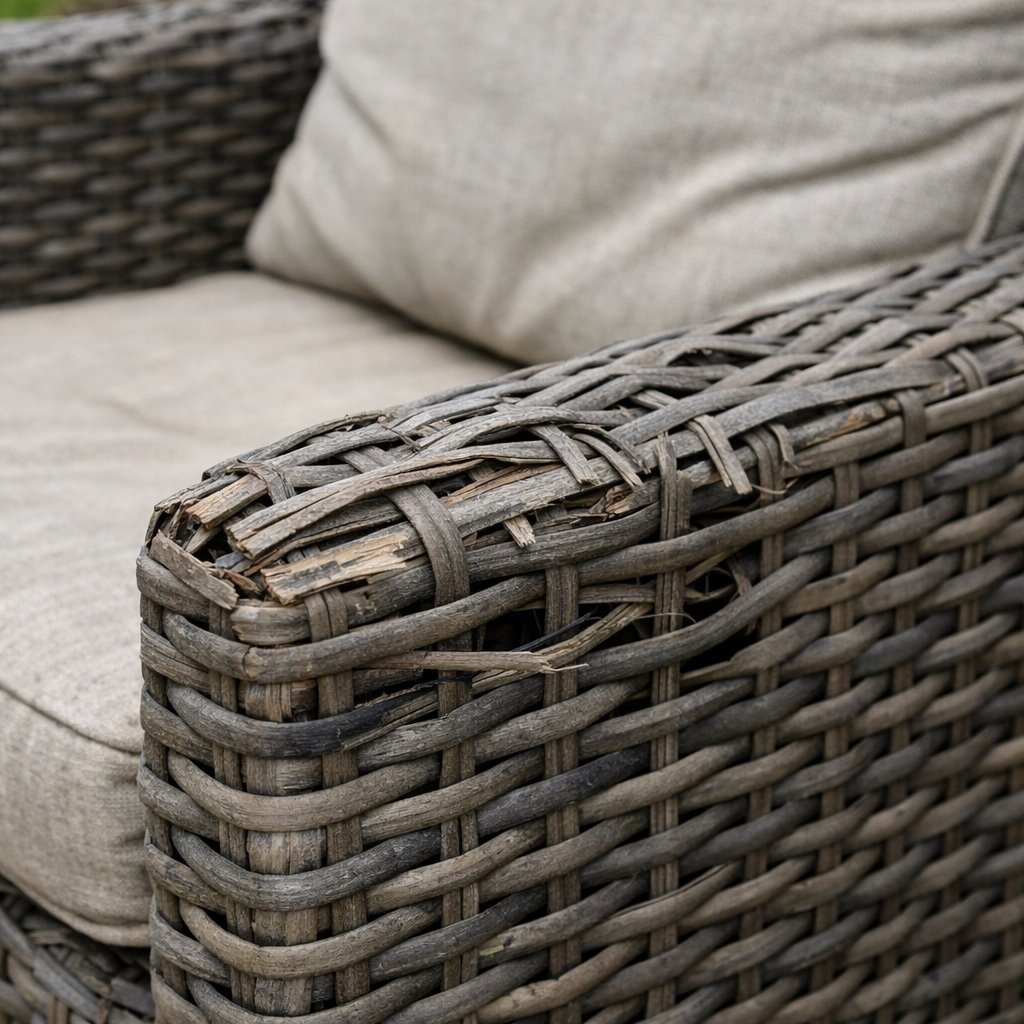
High temperatures speed up oxidation, causing lower-grade resin wicker to lose flexibility and become brittle sooner. - Thermal expansion and contraction
Repeated hot days and cooler nights cause materials to expand and contract. This gradual movement can loosen woven strands and add stress to joints and connection points. - Extreme heat can cause softening and deformation
In very hot conditions—such as an Arizona or Texas summer afternoon—PE rattan may temporarily soften. If furniture is under heavy load at that moment, it is more likely to develop permanent dips or shape changes. - Dust, pollen, sunscreen, and grime can “bake in”
Heat and sunlight make everyday residue stick more stubbornly to rattan surfaces, making regular gentle cleaning essential for long-term appearance.
The good news: you don’t need complex maintenance. Focusing on shade, airflow, and basic care goes a long way.
Why PE Rattan Performs Better Under Sunlight
Modern outdoor rattan furniture is typically made from PE rattan (polyethylene rattan)—also known as resin wicker—engineered specifically for outdoor exposure.
High-quality PE rattan:
- Resists UV damage better than natural rattan
- Maintains flexibility instead of drying out and cracking
- Does not absorb moisture or oils
- Is easier to clean and maintain outdoors
Natural rattan may look appealing indoors, but outdoors it is far more vulnerable to UV damage, moisture, and temperature changes.
Not All PE Rattan Is UV-Stabilized
This is where quality differences matter most.
Premium outdoor furniture often uses virgin PE rattan with added UV stabilizers. These materials:
- Have a smoother, more uniform surface
- Retain color longer under sunlight
- Maintain flexibility for many years
Lower-grade furniture may use recycled PE rattan, which:
- Becomes brittle faster under sun exposure
- Fades unevenly
- Cracks or deforms sooner in hot climates
How to spot better PE rattan:
- Smooth strands with consistent thickness
- Even color throughout the weave
- Tight but breathable weaving
- No sharp edges or rough texture
Some manufacturers reference extended UV testing (such as multi-thousand-hour exposure tests), but what matters most is visible material quality and construction.
Cushions Fade Faster Than Frames (And Why That Matters)
In most outdoor setups, cushions show sun damage before frames do.
Prolonged UV exposure can:
- Break down fabric fibers
- Cause noticeable color fading
- Reduce softness and comfort
Lighter colors may fade more subtly, while darker tones show discoloration more clearly.
Choosing outdoor-grade cushion fabrics and rotating cushions periodically can dramatically extend their appearance.
🔗 For fabric and filling details, see our Best Outdoor Cushions for Rattan Furniture guide.
The #1 UV Strategy: Shade First (Especially 10 a.m. – 4 p.m.)
If you only do one thing to protect rattan furniture from sun damage, make it shade.
Simple shade strategies:
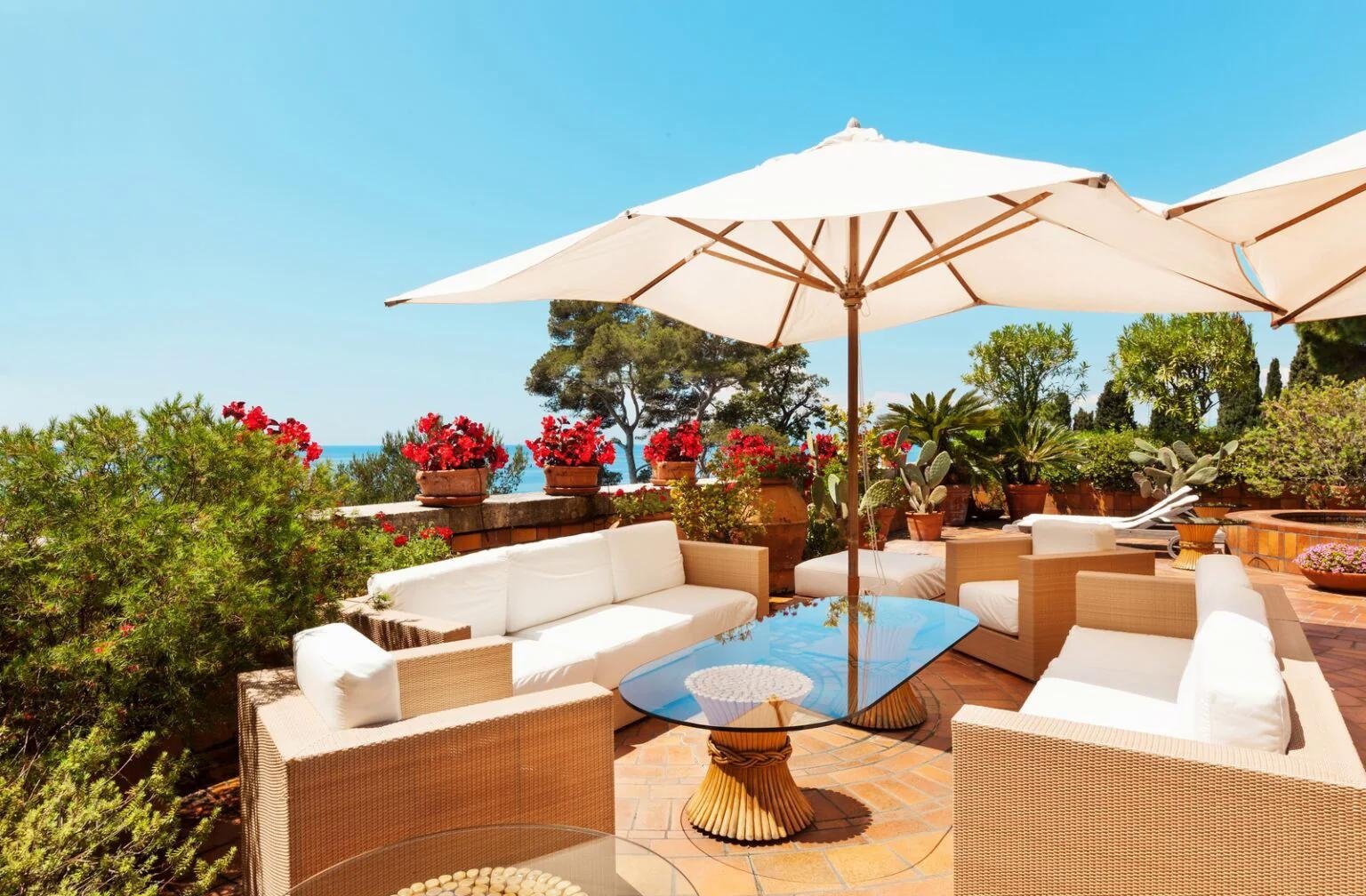
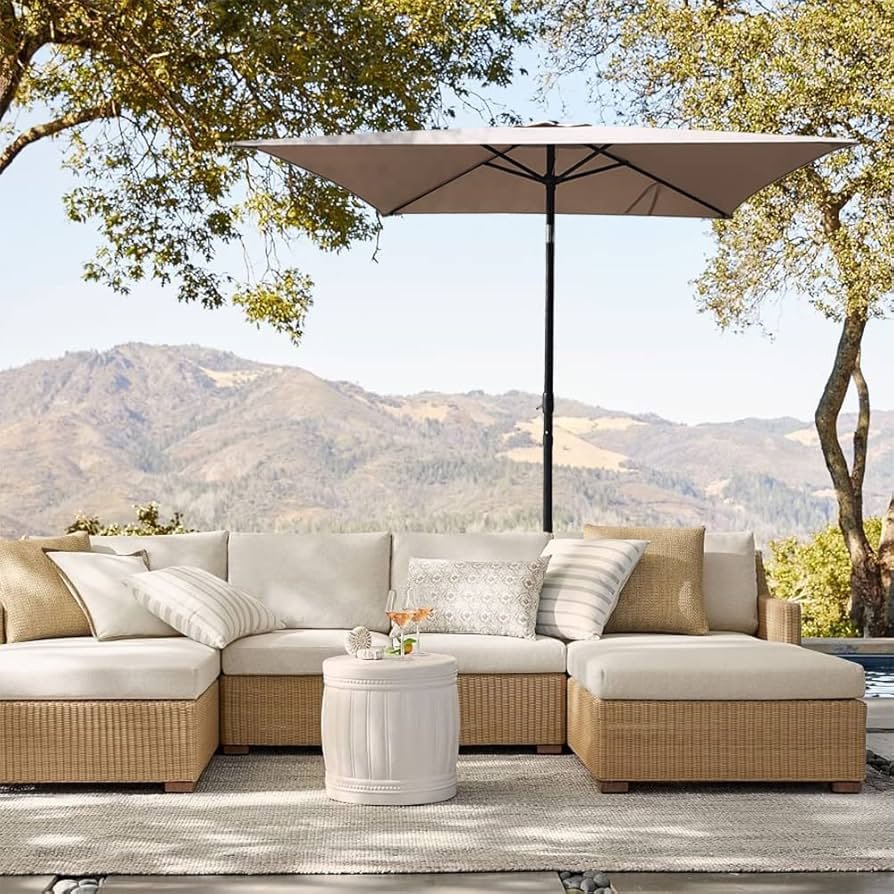
- Use patio umbrellas, pergolas, or shade sails
- Place furniture near walls, fences, or rooflines
- Avoid full-day direct sunlight whenever possible
- Store cushions indoors during long sunny periods
- Pay special attention to peak sun hours (late morning to mid-afternoon)
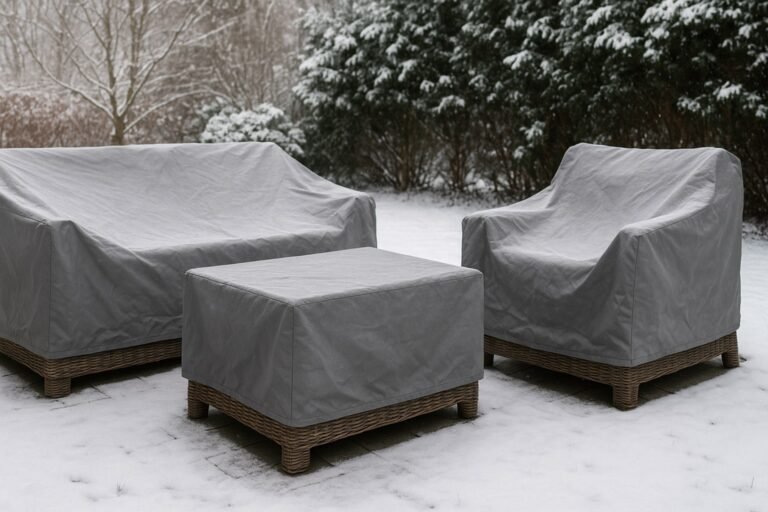
- Use breathable covers when furniture is not in use
If you use furniture covers, choose breathable outdoor covers. Avoid wrapping furniture in non-breathable plastic for long periods—trapped heat and moisture can accelerate aging, especially in humid regions.
Best Rattan Furniture Types for Sunny Locations
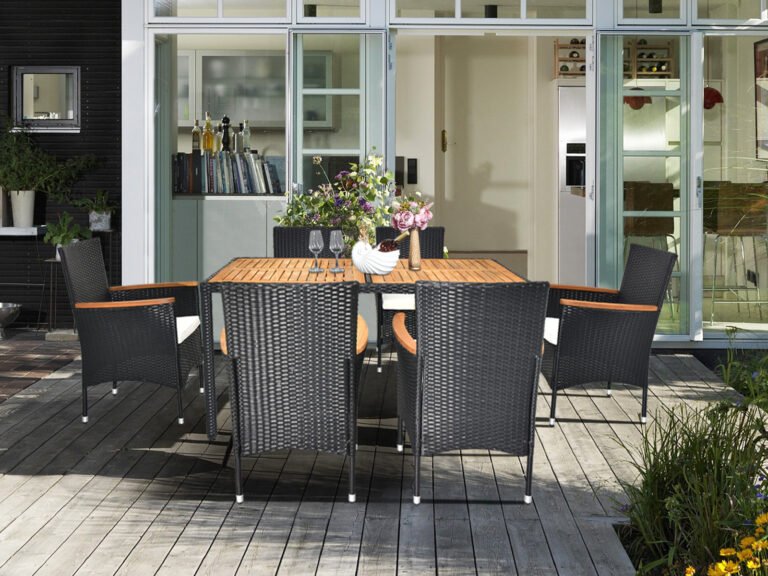
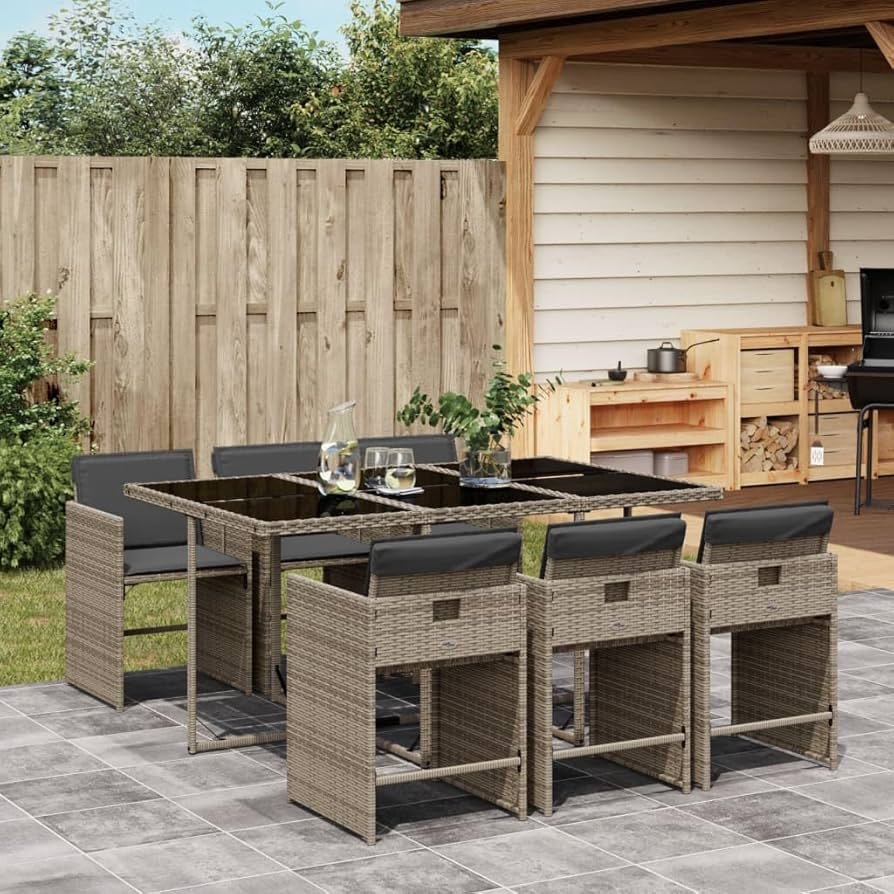
Rattan Dining Sets
Dining sets perform well in sunny areas because:
- Chairs are used intermittently
- Cushions can be stored between uses
- Layouts allow good airflow
🔗 Browse rattan dining table and chairs designed for everyday outdoor gatherings.
Rattan Cube Dining Sets (Sun-Friendly & Easy to Store)
Cube dining sets are especially practical in hot, sunny climates:
- Cushions are easy to remove and store
- Chairs tuck neatly under the table
- Compact layouts reduce prolonged sun exposure
🔗 Explore rattan cube garden furniture sets for small patios and gardens.
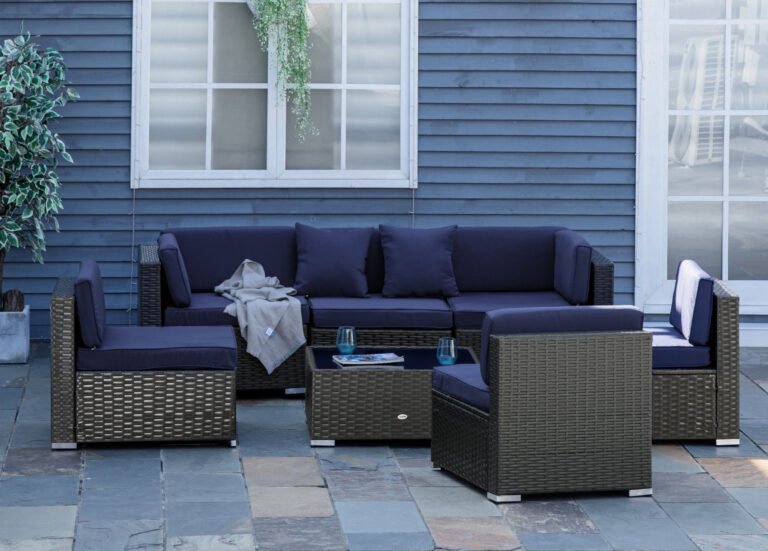
Rattan Sectional Sofas (With Extra Shade Planning)
Sectional sofas offer comfort but require thoughtful placement in sunny areas.
Best practices:
- Position sectionals under partial cover
- Choose fade-resistant cushion fabrics
- Rotate cushions periodically to prevent uneven fading
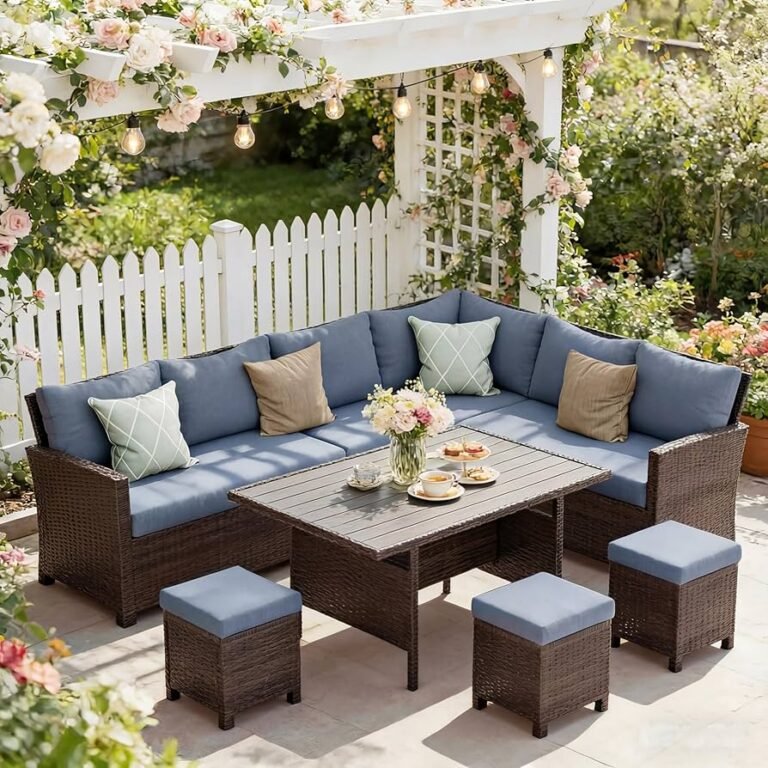
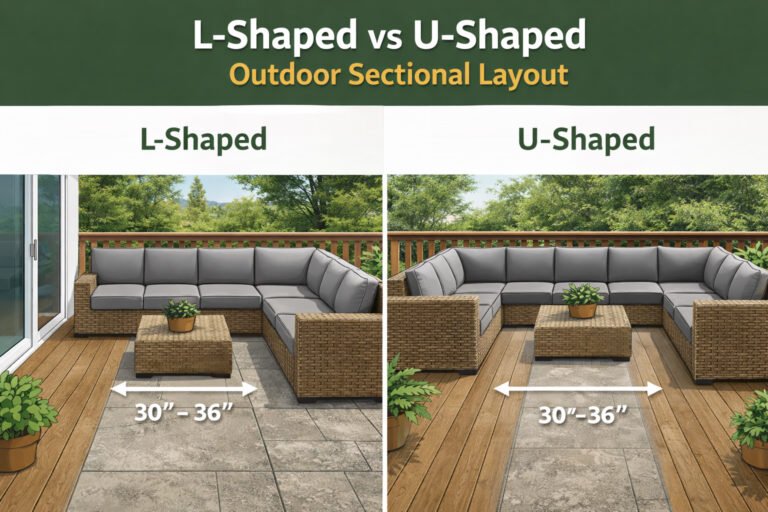
🔗 View rattan sectional sofas (modular & L-shaped) built for flexible layouts.
Color Choices That Hide Sun Fading Better
While all outdoor furniture fades eventually, some colors age more gracefully.
Generally:
- Mid-tone grays and taupes hide fading best
- Very dark colors show sun bleaching faster
- Natural woven tones maintain a consistent look longer
Choosing forgiving colors reduces visible wear over time.
Cleaning + UV Protectant Routine (Every 8–12 Weeks)
Sun and heat make dust and residue cling more tightly to rattan surfaces. A simple routine helps preserve both appearance and flexibility.
- Remove loose dust with a soft brush or vacuum brush attachment
- Clean gently using mild soap and water
- Rinse thoroughly to avoid residue buildup
- Air-dry in shaded, well-ventilated areas
- Optional: apply a UV protectant made for plastics or resin wicker, following product instructions
Avoid harsh chemicals, bleach, abrasive pads, or close-range pressure washing.
Quick Fixes for Early Signs of Sun Damage
- Light fading: After cleaning, a plastic-safe UV protectant may restore surface sheen and slow further fading
- Minor scuffs: Gentle cleaning plus a protectant often reduces their appearance
- Tiny cracks: A plastic bonding adhesive compatible with polyethylene can help prevent spreading (test first)
- Loose weave: Carefully re-tuck and straighten strands; contact the manufacturer if under warranty
Safety note: If using any heat-based method (such as a hair dryer), always test on an inconspicuous area, keep distance, and avoid overheating.
Sun Protection Is About Balance, Not Avoidance
Outdoor furniture is meant to be enjoyed—not hidden away.
The goal is not to eliminate sun exposure, but to manage it intelligently. With quality PE rattan, smart placement, shade strategies, and simple care routines, rattan outdoor furniture can remain attractive and comfortable for many years—even in high-sun climates.
Frequently Asked Questions
1.Does PE rattan fade in direct sunlight?
PE rattan is designed to be UV-resistant, but over time, it can still experience some fading with prolonged sun exposure. Choosing high-quality PE rattan with UV stabilizers helps slow this process and keep your outdoor furniture looking fresh for longer.
2.How long does resin wicker last in full sun?
High-quality resin wicker, especially PE rattan, can last 8–10 years in full sun if properly maintained. Regular cleaning, UV protectant application, and strategic placement under partial shade can help extend the lifespan of your furniture.
3.Are outdoor furniture covers good or bad in hot climates?
Breathable outdoor furniture covers are a great way to protect your furniture from UV rays and moisture. However, ensure that the cover is breathable to avoid trapping heat and moisture underneath, which could accelerate wear. Avoid plastic covers that are not designed for outdoor use.
4.Can you restore faded rattan furniture?
While some fading is inevitable, you can restore some of the color and sheen of your rattan furniture using a UV protectant spray. For deeper restoration, you may need to re-weave parts of the furniture or apply a matching fabric dye to cushions.