A Practical Buying Guide for Florida, the Southeast & Coastal Areas
In This Guide
Introduction
Living in a rainy or humid climate means outdoor furniture is exposed to far more than the occasional shower.
Morning dew, extended rain, high humidity, and coastal air can quickly reveal whether a patio set is truly outdoor-ready—or just looks the part.
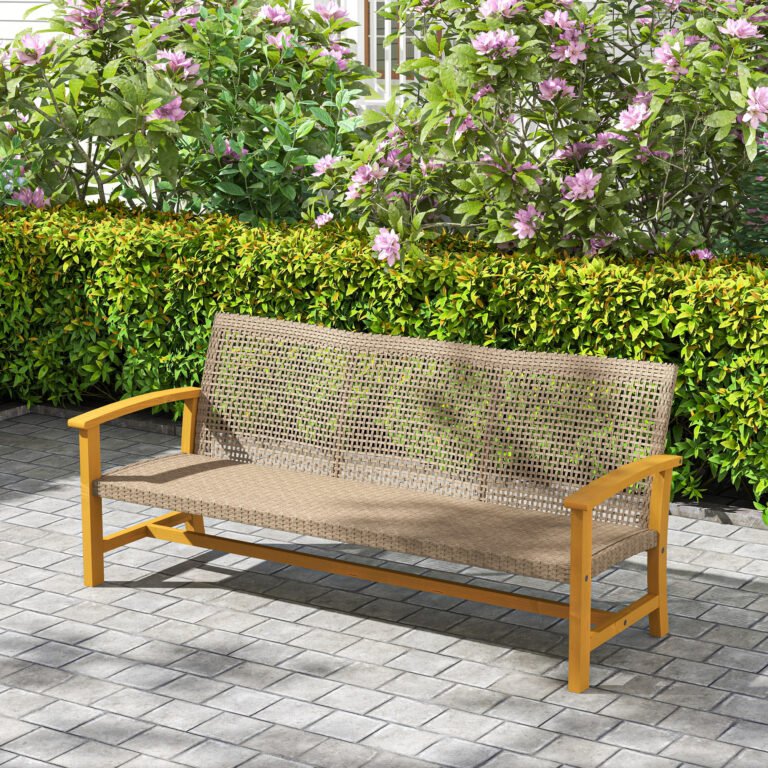
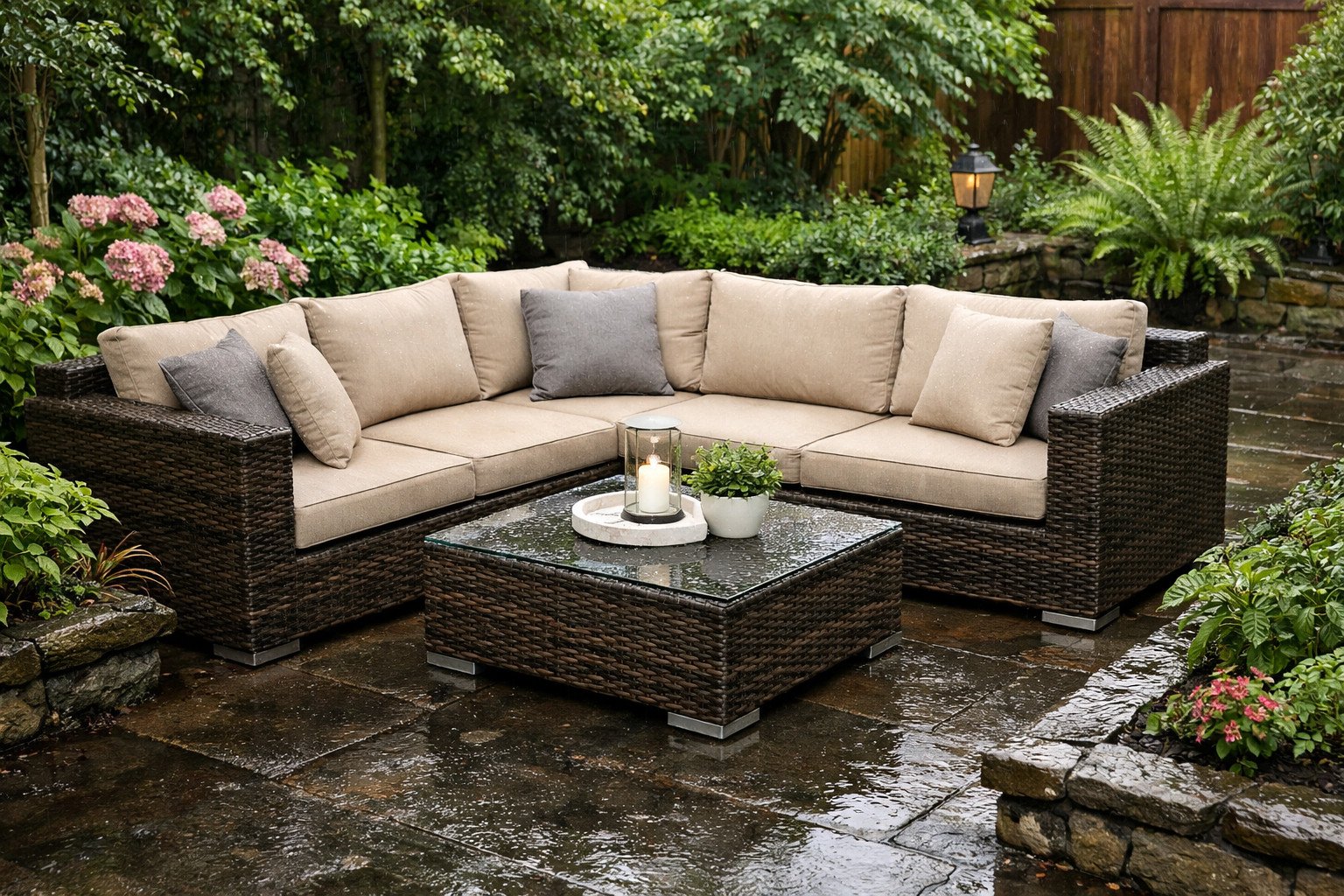
That’s why rattan patio furniture has become a popular choice across Florida, the Southeast, and coastal regions of the U.S. When made with the right materials, modern rattan furniture can handle moisture, resist mold, and stay comfortable without constant upkeep.
This guide explains which rattan patio furniture works best in rainy or humid climates, what materials truly matter, and how to avoid the most common (and costly) mistakes homeowners make.
Why Rain and Humidity Are So Hard on Outdoor Furniture
Wet and humid environments create multiple challenges at once:
- Moisture trapped inside cushions
- Mold and mildew growth
- Rust forming inside metal frames
- Slower drying after rain
Furniture that performs well in dry climates often fails quickly when exposed to constant moisture. In these regions, material quality matters more than style.
Why PE Rattan Works Well in Humid & Rainy Regions
Most modern “rattan” patio furniture is made from PE rattan (polyethylene rattan) rather than natural rattan.
PE rattan is engineered for outdoor use because it:
- Does not absorb water
- Resists UV damage
- Stays flexible instead of cracking
- Is easy to clean with simple tools
Natural rattan may look beautiful, but outdoors it absorbs moisture, molds easily, and deteriorates quickly in rainy conditions.
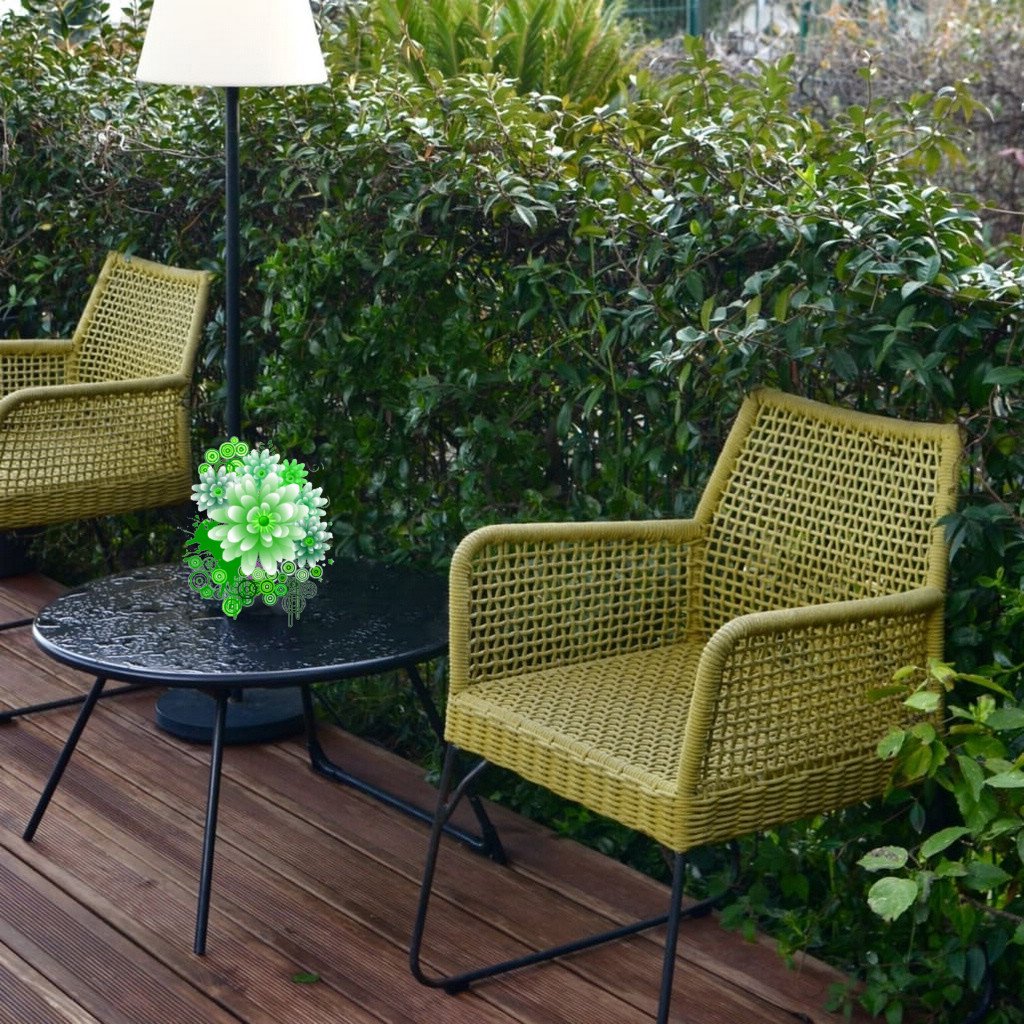
Not All PE Rattan Is the Same (Virgin vs. Recycled Material)
This is a detail many buying guides skip.
High-quality outdoor furniture uses virgin PE rattan, which has:
- A smooth, even surface
- Better UV resistance
- Longer lifespan (often 8–10+ years)
Lower-grade sets often use recycled PE rattan, which can:
- Become brittle under sun exposure
- Fade or crack within a few seasons
- Fail much sooner in wet climates
When shopping, look for:
- Consistent weaving
- Smooth rattan strands (no rough edges)
- A dense but breathable weave
The Most Important Features to Look For in Wet Climates
1. Rust-Resistant Frames (Non-Negotiable)
Even if the rattan weave looks perfect, hidden rust inside the frame can drastically shorten a set’s lifespan.
Best choices:
- Powder-coated aluminum frames
- Well-finished, rust-resistant steel
Avoid thin frames or poorly coated joints—especially near the ground where moisture lingers.
2. Open Weave & Drainage-Friendly Design
In humid environments, airflow is critical.
Look for:
- Open rattan weaving that allows moisture to escape
- Raised legs that keep furniture off wet surfaces
- Table designs that don’t trap water
Furniture that dries quickly lasts significantly longer.
3. Quick-Dry Cushions (Not Just “Water-Resistant”)
Many cushions are marketed as “water-resistant,” but that doesn’t mean they dry fast.
In rainy climates, prioritize:
- Quick-dry foam that doesn’t absorb water
- Breathable cushion construction
- Removable, washable covers
Higher-grade outdoor fabrics resist fading and mildew far better than basic materials—especially when combined with shade or partial cover.
🔗 For a detailed breakdown, see our Best Outdoor Cushions for Rattan Furniture guide.
Best Rattan Furniture Types for Rainy or Humid Climates
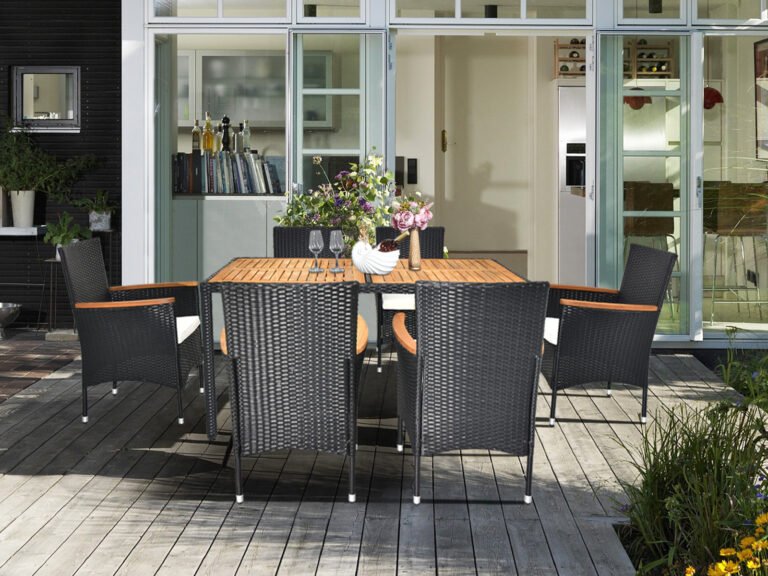
Rattan Dining Sets
Dining sets are practical in wet regions because:
- Chairs are easy to move and dry
- Cushions can be stored separately
- Layouts allow better airflow
🔗 Explore outdoor rattan dining sets designed for everyday use.
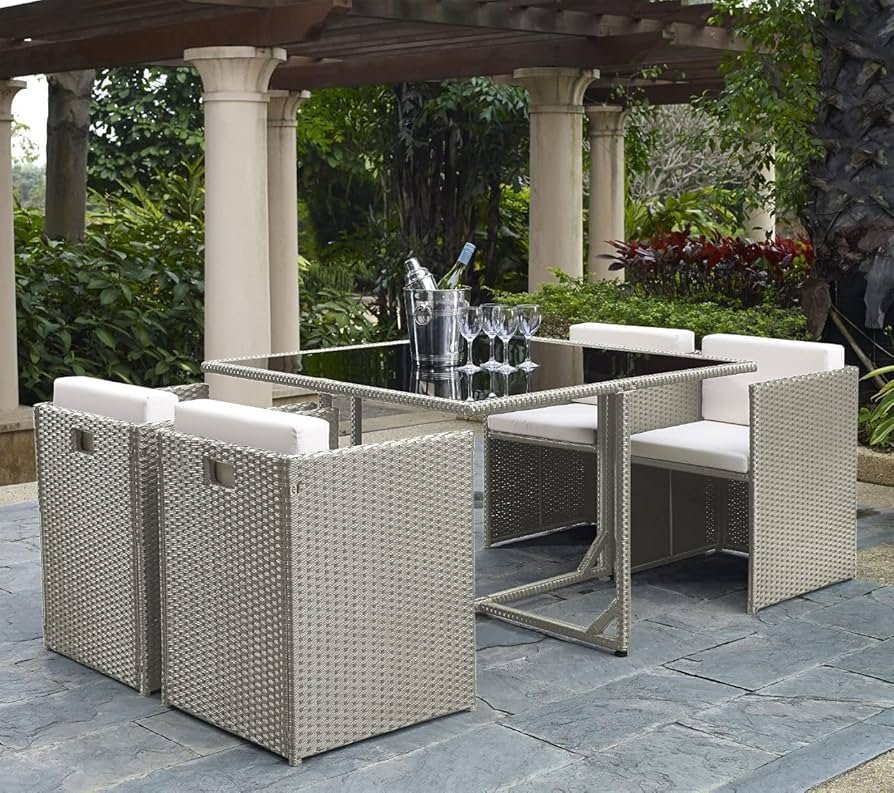
Rattan Cube Dining Sets (Ideal for Small, Wet Spaces)
Cube dining sets are especially useful in humid climates:
- Chairs tuck fully under the table
- Cushions are easy to store during rain
- Compact layouts dry faster
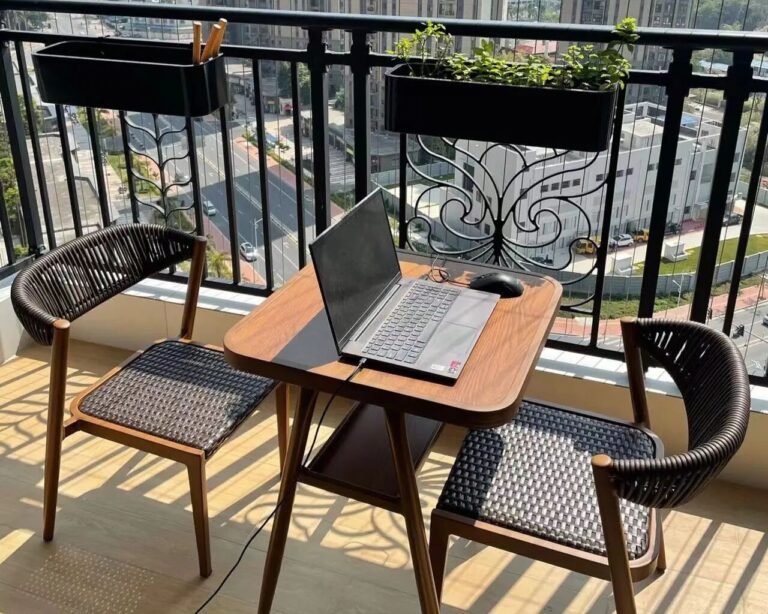
You’ll often find that space-saving rattan cube dining sets or compact rattan bistro sets work best for small patios and balconies in rainy regions.
🔗 Browse rattan cube dining sets for space-saving patios & small spaces
🔗 View rattan bistro & balcony sets
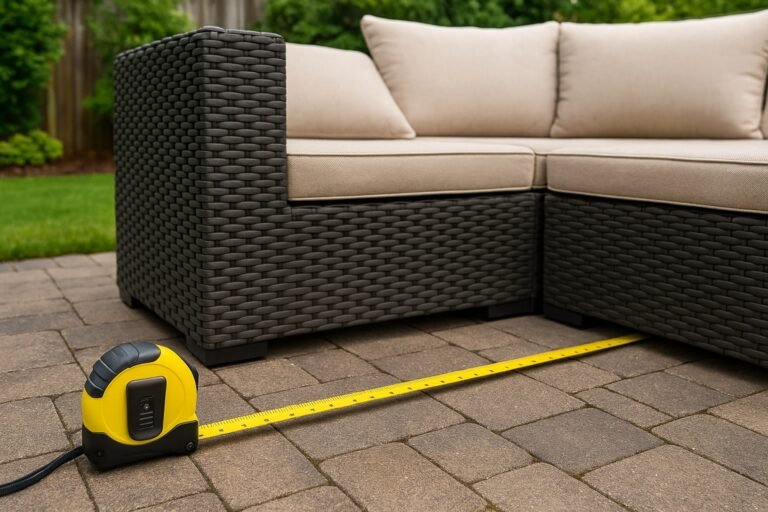
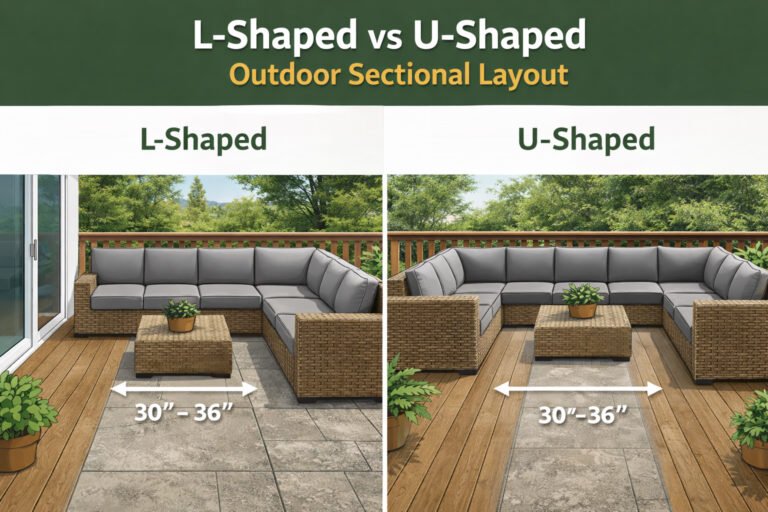
Rattan Sectional Sofas (With Extra Planning)
Sectionals can work in humid climates, but they require more care.
Best practices:
- Choose modular designs for airflow
- Use quick-dry cushions only
- Store cushions during extended rain
🔗 See modular rattan sectional sofas built for flexible layouts.
Common Mistakes That Lead to Early Damage
Many homeowners run into problems not because of rain—but because of poor material choices.
Common issues include:
- Uneven or low-grade rattan weaving
- Poor welding or exposed metal joints
- Low-quality coatings that peel or rust
- Cushions left outside during long rain periods
A quick inspection before buying can prevent years of frustration.
Material Is the First Line of Defense Against Rain
In wet climates, durability starts with materials:
- PE rattan for water resistance
- Aluminum or coated metal frames for rust prevention
- Quick-dry foam cushions for moisture control
- Outdoor-grade fabrics for mildew resistance
Choosing the right materials upfront reduces maintenance dramatically.
Climate Determines How “Low-Maintenance” Your Setup Can Be
Not all regions require the same level of care.
- Dry climates: furniture naturally lasts longer
- Humid regions: airflow, elevation, and partial cover matter more
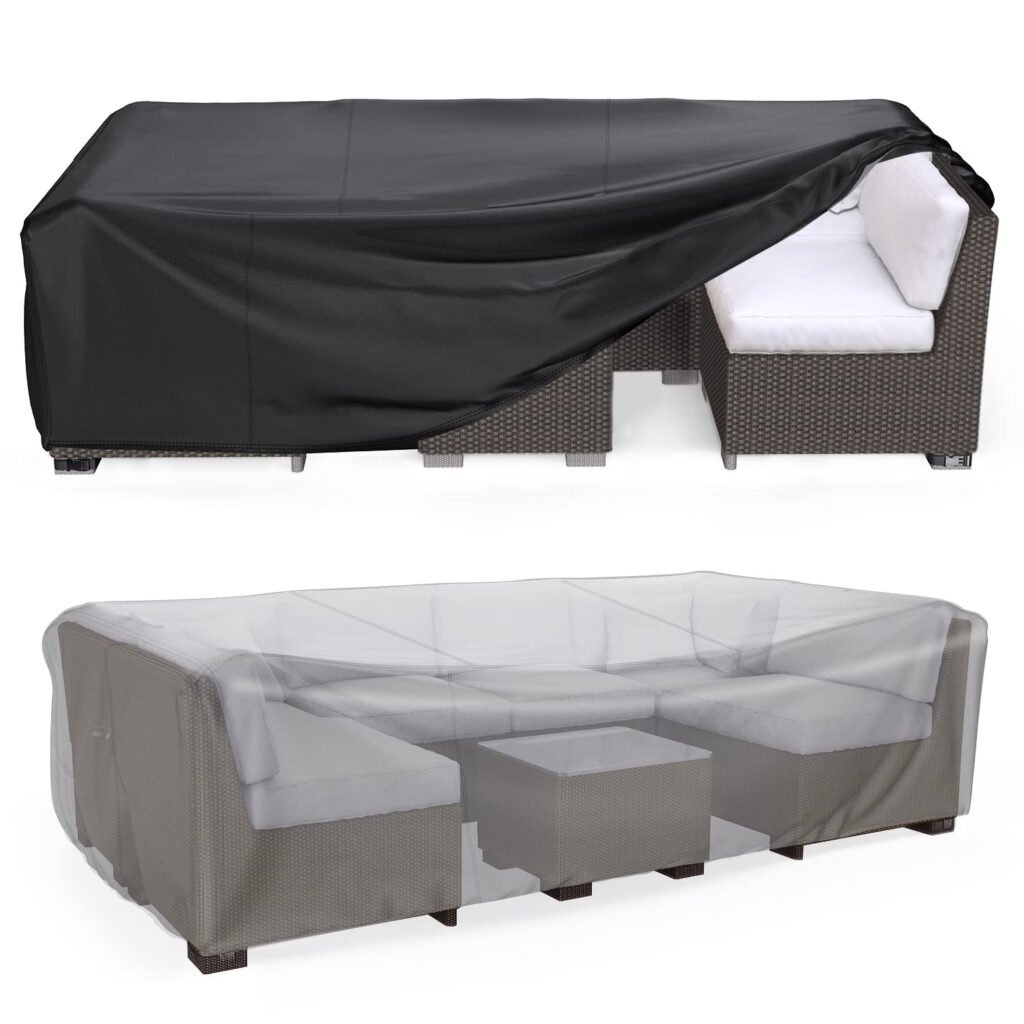
Simple upgrades—like elevating furniture slightly, improving ventilation, or using breathable covers—can significantly extend furniture life.
Simple Care Tips That Make a Big Difference
- Allow furniture to dry fully before replacing cushions
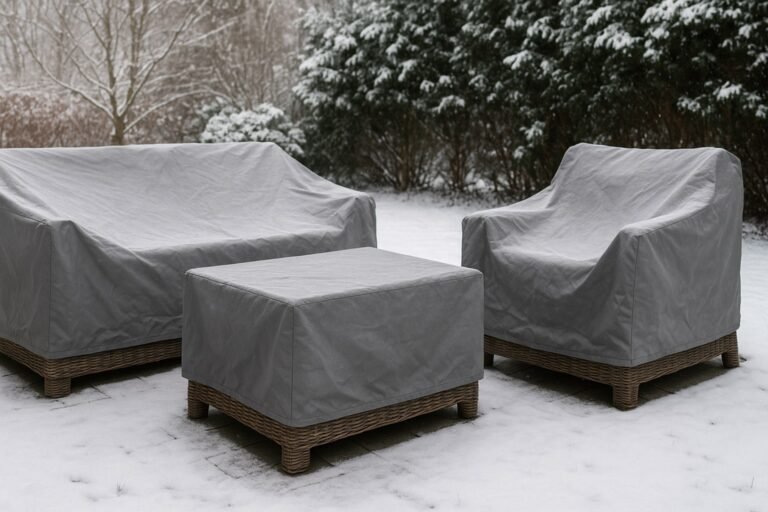
- Use breathable covers during heavy rain
- Clean periodically with mild soap and water
- Store cushions indoors or in dry storage when possible
These small habits pay off most in coastal and humid regions.
Final Thoughts: Choose Rattan Furniture That Handles Real Weather
Rain and humidity don’t have to limit your outdoor lifestyle.
With the right materials, smart design choices, and realistic care routines, rattan patio furniture can remain comfortable, durable, and attractive—even in challenging climates.
Choose furniture designed for real weather, and you’ll spend less time maintaining it—and more time enjoying your outdoor space.
Frequently Asked Questions
Is rattan patio furniture waterproof in rainy climates?
Modern PE rattan patio furniture is water-resistant and designed for outdoor use, but no furniture is completely waterproof. High-quality PE rattan does not absorb moisture, and when paired with rust-resistant frames and quick-dry cushions, it performs very well in rainy or humid climates.
Can rattan furniture stay outside in the rain year-round?
Yes, well-made rattan furniture can stay outdoors year-round in rainy regions. However, using breathable covers during extended rain and storing cushions indoors can significantly extend its lifespan.
What is the best rattan furniture for small patios in humid areas?
For small patios in humid climates, rattan cube dining sets and compact bistro sets work best. Their space-saving designs improve airflow and make it easier to store cushions during heavy rain.
How do you prevent mold on rattan patio furniture?
To prevent mold, ensure good airflow around the furniture, allow it to dry fully after rain, and clean it periodically with mild soap and water. Quick-dry cushions and breathable covers also help reduce moisture buildup.